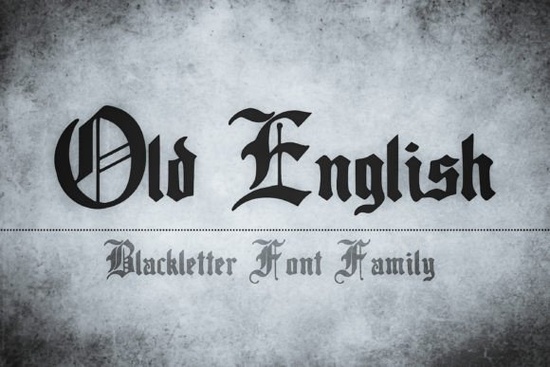
If you have ever admired the ornate lettering on antique certificates, Gothic architecture, or medieval manuscripts, the Old English Font brings that exact mood into your digital toolkit. It’s a classic blackletter typeface with strong vertical strokes, sharp serifs, and an unmistakable historical charm. Whether you are a designer working on a logo for a craft brewery, a print-on-demand seller creating vintage hoodies, or a hobbyist making custom invitations, this font instantly sets an old-world tone. The Old English Font from Creative Fabrica is a clean, high-quality version of that antique look, ready to use in any modern project.
What makes this blackletter font stand out?
Unlike some decorative scripts that become unreadable at small sizes, Old English remains surprisingly legible while keeping its ancient feel. The letters have tight spacing and rhythmic contrast between thick and thin strokes. This isn’t a hand-drawn imitation – it’s a carefully digitized font that keeps the crisp edges you need for cut files, embroidery, and clean prints. The design draws from centuries-old traditions; you can learn more about the Old English Font’s origins in medieval writing.
The character set usually includes uppercase and lowercase letters, numerals, basic punctuation, and sometimes alternates or ligatures. That flexibility makes it work for everything from monograms to full-page titles. You can use it for formal certificates, but it’s equally at home on a rock band poster or a streetwear label.
What types of projects benefit from a blackletter typeface like this?
Blackletter isn’t just for history buffs. Many creators use the Old English style for:
- Logo design – especially for breweries, barbershops, tattoo studios, and clothing brands.
- Merchandise and print-on-demand – think of bold statements on t-shirts, hoodies, and tote bags.
- Wedding and event stationery – formal invites, place cards, and thank-you notes get an instant elegant lift.
- Signage and decor – wooden signs, wall art, and etched glass look more authentic with a medieval font.
- Tattoo mock-ups – many tattoo artists use blackletter fonts like this for name designs and quotes.
Is the Old English Font suitable for cutting machines and embroidery?
Yes. Because the font has clean, consistent outlines, it cuts well on Cricut and Silhouette machines. You can weld the letters together in your design software for a connected script look, or keep them separate for individual vinyl decals. For embroidery, the sturdy letterforms stitch out cleanly without losing their detail, even at smaller hoop sizes. Just be sure to test a few characters on scrap material, as the tight interior spaces of some blackletter letters (like o or e) might need a slight size bump for tiny thread work.
How can you pair this font with modern type choices?
Old English is strong and dominating, so it pairs best with simple, understated sans-serifs or serifs. Try using it for the main headline and combine it with a clean font like Montserrat, Lato, or Playfair Display for body text. The contrast between medieval and contemporary makes a composition feel intentional, not stuffy. If you want a softer vintage look, pair it with a typewriter font or a thin script. Avoid competing decorative fonts – let the blackletter be the hero.
If you’re still searching for the right blackletter, you can browse additional blackletter fonts to find the exact weight and ornament level that suits your project.
How do you get the most out of a font like Old English on Creative Fabrica?
When you grab the Old English Font from the platform, you usually get a standard .otf or .ttf file, which works on both Mac and Windows. Some versions also come with a commercial license included in the subscription, which is important for print-on-demand sellers and small business owners. Always check the license terms Creative Fabrica provides to make sure you can use it on products you sell.
Once installed, open your design program and type a few test words. Adjust the tracking (letter spacing) slightly tighter for a more authentic manuscript look, or leave the default spacing for better readability on screens. For a custom feel, play with the glyphs panel if alternates are available – swapping a standard h for a more ornamental version can change the whole vibe.
Before you start your next project, here’s a quick checklist to get the best out of your blackletter typeface:
- Test the font at the final print size to verify legibility, especially inside loops and tight curves.
- Pair it with a clean sans-serif for body copy – this creates a clear hierarchy.
- Check the commercial license on Creative Fabrica if you plan to sell products.
- Weld or connect letters in your cutting software if you want a continuous cursive effect.
- Adjust tracking to tighten spacing for a more authentic medieval block appearance.
Now go ahead, pick up the Old English Font and start adding that antique character to your work.
Download Now Retro Script Fonts: Add Classic Charm to Your Designs
 Inspire Creativity with Stunning Designer Fonts
 Creative Sunflower Fonts for Joyful Design Projects
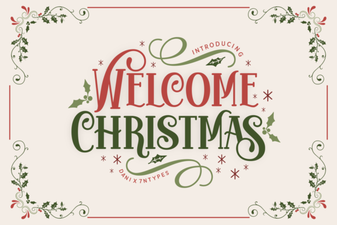 Welcome Christmas Font: Festive Typography & Design
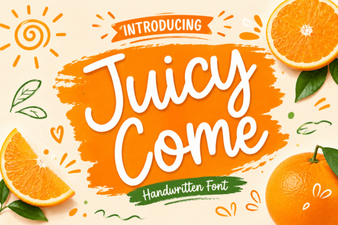 Juicy Come Font: Creative Typography Inspirations
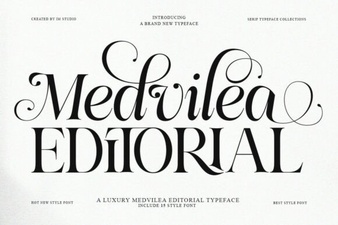 Medvilea Editorial Font: Creative Project Ideas