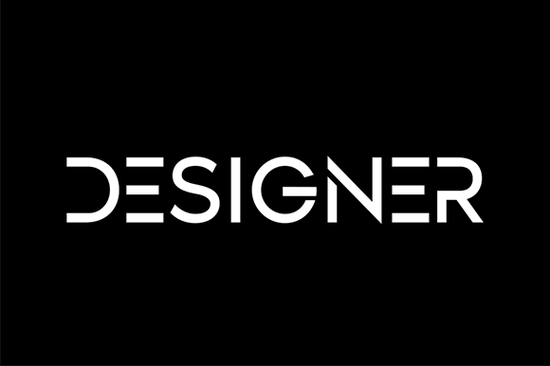
If you’re looking for a typeface that keeps things simple but still has plenty of personality, the Designer font is worth a closer look. It’s a casual display font with a clean, uncluttered feel nothing fussy, just well-spaced letters that feel approachable and modern. Crafters, small business owners, and print‑on‑demand sellers often need a font that can do double duty in both polished branding and playful social graphics, and this one fits that brief surprisingly well.
What makes the Designer font feel so clean and versatile?
The secret is in its even letterforms and generous spacing. Each character sits neatly on the baseline with consistent stroke widths, giving the font a soft, almost hand‑lettered look that’s still highly legible. There are no drastic thin‑to‑thick contrasts or overly decorative swashes, so the typeface reads clearly even at smaller sizes on product mockups. Because the letters feel so tidy, you can use it for a logo, a label, a heading on a baby shower invitation, or a bold statement on a hoodie without the design feeling cluttered.
Designers who enjoy mixing fonts will notice that this one plays nicely with thick sans‑serifs and delicate scripts alike. The casual, slightly rounded shapes keep things friendly, but the neat structure means you can pair it with a college‑style block font for a sporty vibe or let it stand alone in minimalist poster work. Because the letter arrangement is so balanced, the font genuinely looks at home in both formal event stationery and relaxed, everyday projects.
Where does the Designer font work best for crafters and small businesses?
One of the biggest strengths here is how well it translates across different materials and platforms. For crafters using cutting machines like Cricut or Silhouette, the clean shapes weed easily and maintain crisp edges on cardstock, iron‑on vinyl, or sticker paper. Small business owners making product labels, thank‑you cards, or price tags will appreciate that the font stays readable without stealing attention from the product image.
Common use cases include:
- Social media graphics: Quote posts, announcement banners, and Instagram story covers feel modern without being cold.
- Print‑on‑demand designs: T‑shirts, tote bags, and mugs benefit from a font that’s bold enough to see but soft enough to wear.
- Stationery and paper goods: Save‑the‑dates, birthday invites, and planner inserts look approachable and handcrafted.
- Logo drafts and wordmarks: The letters’ simple arrangement makes for a memorable yet understated mark.
If your current project leans more towards rough textures, a chunky textured display font can add rugged charm, but for clean, scalable designs the Designer font is a go‑to choice. Similarly, if you need a script that says “welcome” with warmth, a flowing style like the welcome font can complement a Designer font heading beautifully.
How legible is this font in longer sentences?
Because it’s a display font, the Designer font is intended for short blocks of text rather than lengthy paragraphs. In a one‑ or two‑line subheading, it works brilliantly. When you try to set a full paragraph, the same round, casual shapes that look so friendly in a heading can start to feel a little too uniform and reduce reading speed. Stick to using it for headlines, callouts, names, or short product descriptions and pair it with a simple sans‑serif or serif body font for longer copy.
This principle holds true for most display typefaces. For instance, a departure board‑inspired font is also best saved for impactful titles rather than full articles. Knowing when to switch to a body font keeps your layouts easy to read and professional.
What file formats come with the download and how easy is it to use?
On Creative Fabrica, the Designer font package typically includes OTF and TTF files, which cover most design software needs. You can install it on Windows or Mac and use it in Cricut Design Space, Canva (with uploaded fonts), Adobe Illustrator, Photoshop, Procreate, and even free programs like Inkscape. The character set usually contains uppercase letters, lowercase letters, numbers, and basic punctuation, so you’ll have everything needed for standard English layouts.
One helpful tip: the simple letterforms mean you can stretch the tracking or add slight letter spacing without breaking the font’s clean look. This gives you extra flexibility when designing tight‑fitting labels or wide‑spanning banners.
Can I pair the Designer font with handwritten or decorative styles?
Absolutely. Because the font itself is so neat, it creates a pleasing contrast with more organic scripts. You might put the main title in the Designer font and the tagline in a delicate handwritten typeface. The key is to let the clean display font anchor the layout while a floury secondary font adds warmth.
For example, if you’re designing a market stall banner, you could use the Designer font for “Fresh Bakery” and then a playful hand‑drawn style like Jennies House font for “made with love.” The combination feels intentional and balanced, never chaotic.
Is the Designer font suitable for both formal and casual projects?
Yes, that’s one of its standout qualities. The quiet, clean lettering means you can print it on a formal wedding welcome sign and it won’t look out of place. At the same time, the subtle rounded terminals keep it from feeling stiff, so a child’s birthday banner or a summer camp tee still reads as friendly and fun. This adaptability is what makes it popular with crafters who sell a variety of items and need one reliable font for many themes.
If you’re ever unsure whether a design feels too playful, pair the Designer font with a classic serif body and clean lines. The result is professional but warm perfect for small business packaging, consultation handouts, or even simple YouTube thumbnails.
Before you download, here’s a quick checklist to see if the Designer font fits your project:
- You need a clean, casual font for short headings, logos, or social visuals.
- Your design will appear on physical products and needs to weed or print crisply.
- You want a typeface that works equally well in formal stationery and playful crafts.
- You have software that accepts OTF or TTF files (most modern design tools do).
If these points match what you’re working on, the Designer font is a solid, no‑fuss addition to your creative toolkit.
Try It Free Retro Script Fonts: Add Classic Charm to Your Designs
 Welcome Christmas Font: Festive Typography & Design
 Grinched 2.0 Font: Playful Typography for Creative Projects
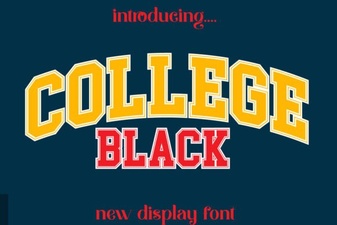 Bold College Black Font Styles for Modern Designs
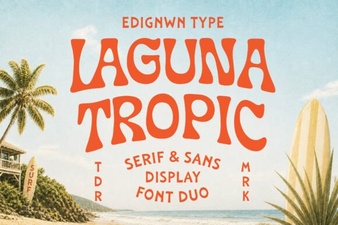 Laguna Tropic Font: Project Ideas & Design Inspiration
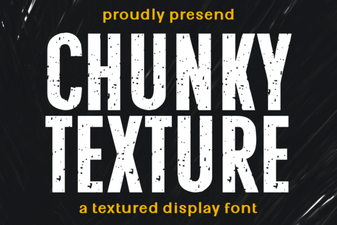 Bold Chunky Texture Fonts for Creative Design Projects