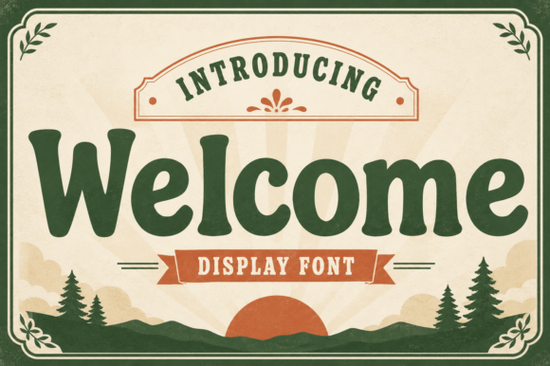
If you’re looking for a display typeface that brings together retro warmth and modern readability, you’ll want to meet Welcome Font. This slab serif doesn’t just shout for attention it greets you with a friendly, confident presence that feels equally at home on a bakery window, a playful greeting card, or a boutique logo.
What style is Welcome Font, really?
Welcome Font is a dynamic slab serif with a warm vintage personality. The letterforms are bold without being aggressive, thanks to soft rounded corners and subtle quirks that steer clear of stiff industrial geometry. Think old-school storefront lettering crossed with a gentle, approachable curve the kind of type that makes you linger on a headline. The x-height is generous, and the strokes balance thick and thin in a way that keeps every character distinct, even at smaller display sizes. That mix of clarity and charm is exactly what so many designers, crafters, and small business owners look for when they need a font that feels handcrafted but still reads easily.
Who should use it?
This font suits a wide range of creative people. Print-on-demand sellers will appreciate how well it prints on t‑shirts, mugs, and tote bags the sturdy slabs hold up on textiles and don’t lose their shape when resized. Stationery designers and wedding invitation makers can lean into its romantic, vintage side, while children’s book illustrators and toy packaging creators will love the whimsical, almost storybook feel. Even café owners and independent shopkeepers can use it for chalkboard-style window signage that feels authentic and hand‑painted.
What projects bring out the best in this font?
Because Welcome Font carries such a distinct voice, it shines on projects where you need a headline to feel warm and inviting. Some practical places to try it:
- Branding for artisan food and drink: Bakeries, coffee roasters, and jam labels frequently use slab serifs to suggest homemade quality, and the soft vintage touch here adds an extra layer of trust.
- Children’s merchandise: The rounded terminals and bouncy rhythm of the characters suit book covers, growth charts, nursery wall art, and plush toy tags.
- Retro event flyers and posters: Whether for a vintage fair, a jazz night, or a holiday market, the font’s nostalgic energy gives layouts an instant period feel without looking like a cliché.
- Social media graphics: The bold shapes stay legible on small phone screens, making it a reliable pick for Instagram quotes, Pinterest pins, and recipe card teasers.
- Embroidery and vinyl cut designs: The simple, clean paths translate beautifully into thread and adhesive vinyl, so crafters don’t have to fiddle with overly fine details.
Each of these uses benefits from the way the character set includes alternate letters and playful ligatures that let you tweak the mood from sweet and bouncy to a little more upright and formal.
How does Welcome Font handle different surfaces and materials?
Anyone who designs for physical products knows that not every font survives the jump from screen to substrate. Welcome Font’s sturdy serifs and open counters make it forgiving on textured paper, uncoated cardboard, and fabric. The rounded shapes prevent ink from pooling in corners, a common headache in letterpress and rubber stamp projects. When I tested a mocked‑up tote bag design, the font stayed crisp at 2 inches tall and kept its friendly character even when warped slightly around the bag’s curve.
For crafters cutting vinyl with a Cricut or Silhouette machine, the clean but not overly thin connections between letters mean fewer weeding mishaps. If you want even more texture, pairing it with a rough, gritty font can create a nice contrast. For instance, a chunky textured typeface adds a weathered layer that makes the smooth slab serif pop.
Are there similar fonts I should consider?
Choosing a display font often means exploring a few close cousins before you commit. If the warm, nostalgic feel of Welcome Font appeals to you but you need a slightly different flavor, here are some alternatives worth a look:
- For a more athletic, varsity-inspired look, a bold condensed college style brings energy to sports team logos, school spirit wear, and streetwear branding. It trades the soft vintage curve for sharper, angular energy.
- When your project calls for flowing, hand‑lettered elegance, a retro script offers connected letters and swooping descenders that work beautifully on wedding signage and cosmetic labels.
- If you’re designing specifically for kids but want something less conventional, a playful house‑shaped display typeface turns letters into tiny dwellings whimsical and story-driven, perfect for picture books and nursery décor.
Each of these fills a slightly different niche, but they all share that display‑first mentality. Welcome Font sits comfortably in the middle vintage but not overly decorative, bold but not loud, and versatile enough that you can use it across multiple product lines without it feeling repetitive.
Does it come with any extras I should know about?
Beyond the basic A‑Z and numerals, Welcome Font usually includes a set of ligatures, alternates, and sometimes multilingual support. Always check the exact glyph coverage on the product page, but many designers find it covers standard European languages without issue. The alternates are especially handy if you want to avoid repeated letter shapes looking too identical swapping in a slightly different ‘e’ or ‘a’ can make a hand‑crafted logo look genuinely custom.
Licensing is straightforward for most commercial purposes, but if you plan to use it on products for resale like print‑on‑demand shirts or stickers confirm that the license covers it. The last thing any small shop needs is a surprise takedown.
A quick tip before you download
When you pair a slab serif like this with secondary type, keep the supporting font simple. A crisp, lightweight sans‑serif or a monoline script in lowercase often creates the right balance without competing. Try setting the main headline in Welcome Font at a generous size, then adding a thin all‑caps sans for dates, venue names, or fine print. The contrast keeps the layout airy and makes the bold vintage letters feel even more intentional.
Next step: grab the font, type out a few of your most common phrases, and test them at different weights and sizes on the materials you actually use. That hands‑on test tells you more than any preview window ever will.
Learn More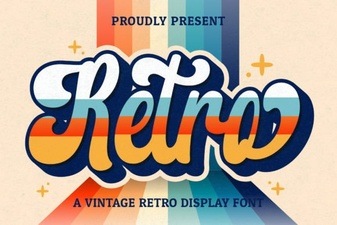 Retro Script Fonts: Add Classic Charm to Your Designs
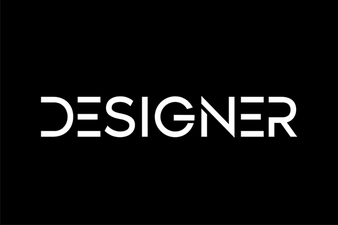 Inspire Creativity with Stunning Designer Fonts
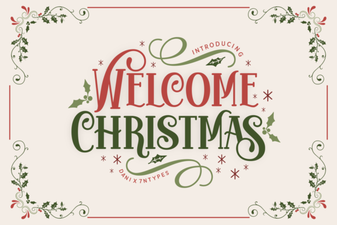 Welcome Christmas Font: Festive Typography & Design
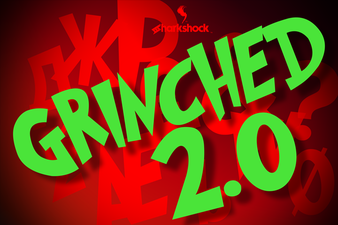 Grinched 2.0 Font: Playful Typography for Creative Projects
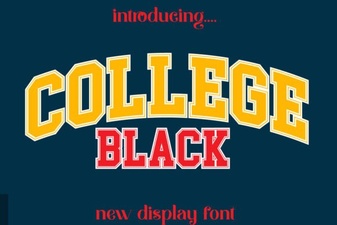 Bold College Black Font Styles for Modern Designs
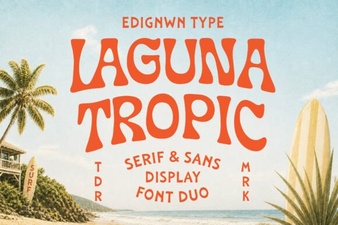 Laguna Tropic Font: Project Ideas & Design Inspiration